Victorian Artist – John Tenniel (1820 – 1914)

Most famous for the iconic illustrations in the books ‘Alice’s Adventures in Wonderland’ (1865) and ‘Through the Looking-Glass, and What Alice Found There’ (1871) by writer Lewis Carroll.

Tenniel began his career studying fine art at the Royal Academy of Arts in London. Getting his inspiration from sculpture, costumes, scenes of live performance, heraldry (the practise of displaying coats of arms and heraldic badges) and illustrations from books. He would often sketch from life and found “dramatic gestures of stage performers,” coming from his passions for theatre.

A sketch from the opera, Maritana shows his use of dramatised gestures and unique character style.

Drawing of a scene from Maritana by John Tenniel (1850) – From Victoria and Albert Museum, London

John Tenniel was praised for his work in Aesop’s Fables (1848) and was soon contacted to illustrate the Alice in Wonderland books.

His accuracy for these illustrations were a result of many hours spent observing live animals at the zoo and then drawing them using his photographic memory. Each print was drawn onto a woodblock, ready for engravers to cut and proceed to printing.

The book itself is important to my practise as it explores different aspects of human nature, for example the animals are able to talk to each other and experience human emotions and their “behaviours often show them using their wit to triumph against adversity” – (website on book.)

This connects to my research in the importance of other species and my readings on Michael Pollan, about the importance of plants for our wellbeing and environment.

Illustration for Aesop’s Fables by John Tenniel (1848)

He was also renowned for his political cartoons in the magazine Punch. His detailed style and intelligence became a catalyst for other cartoonists to approach fame.

On Left: Much Ado About Nothing and On Right: The Pas De Deux! (1878)

Here are his illustrations for ‘Through the Looking-Glass and What Alice found There’

Annotated proof for ‘Through the Looking-Glass, and What Alice Found There” (1871)
Proof for Through The Looking-Glass, and What Alice Found There” (1871)

Creating another stop-motion animation –


I have been interested in Michael DuDok De Witt’s work, a director and illustrator based in London.

His character style is simplistic and his backgrounds aren’t cluttered with detail, they are brought to life with the use of ink and watercolour.

Witt’s animations are similar to illustrations found in children’s story books.

Work he is most known for is The Red Turtle and The Wind Rises.

The work i found particularly inspirational was his piece Father and Daughter (2000) – video below

Father and Daughter – 2000

I have applied a similar technique to Michael DuDok De Witt, when creating my own stop-motion animation video. I have used simple lines to create characters and their background, using Pro-create on my IPad. I decided to incorporate colour by creating “orbs” (backscatter) that were present in the photograph i used for the video.

I also have a test piece using one character and one hand moving, still incorporating backscatter.

Both images are from the same night. I was around 7 or 8 years old and me, my mother and our two friends, Lisa and Jess.

Photograph of me
Photograph of me and Jess
Stop-motion animation of me
Stop-motion animation

Work from sketch book –


Drawing in black biro

Inspiration for this drawing has come from illustrations for children’s fantasy, story books and my own experiences of comfort in forests.


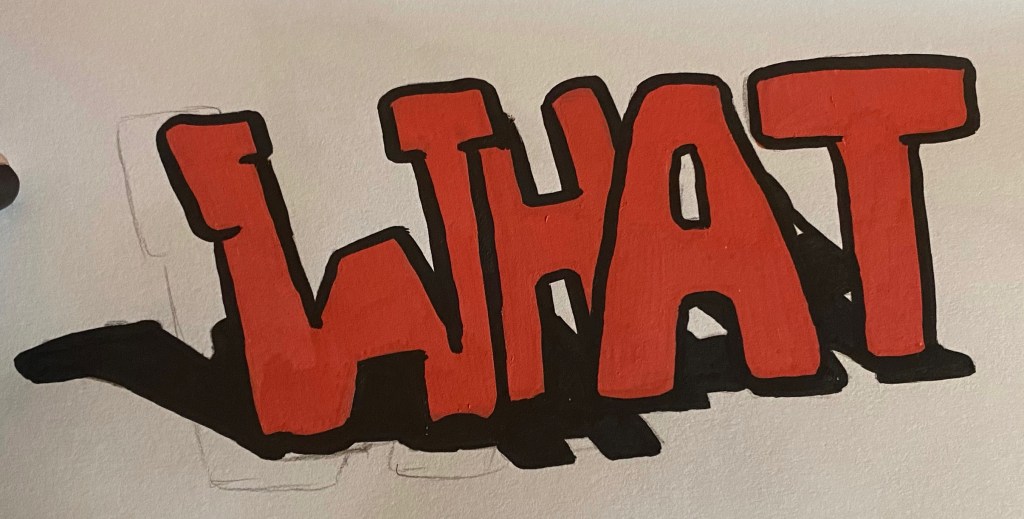
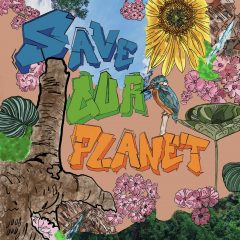
Graphic lettering – Medium, Acrylic paint pens
Graphic Lettering – Medium, Acrylic paint pens

Failure –

This text shows work form artists such as, Roman Signer, Dominique Gonzalez-Foerster, Felix Gonzalez – Torres, Robert Smithson, Mike Kelley and Carol Bove.

The text explores failure in a person and how failure is presented in art. It mentions nineteenth-century painter Benjamin Robert Haydon, who did not conform to the times normality due to his “partial-sightedness” and was deemed a “failed painter.’

“There is a pleasure in failure, and its potential, too.” – quote taken from text.

Roman Signer –

Roman Signer’s instillation Engpass at Aussendienst, Hamburg (2000)

His accident sculptures are experiments to test ideas out, while keeping his research documented. In his work Small Helicopters (2008) a swarm of helicopters are set off, contained in a room far to small for them to move. This causes the helicopter to crash into each other and fall to the ground, a demonstration of trying to take off and failing miserably.

Punkt – 2006

Fischli and Weiss – The Way Things Go (1984)

The Way Things Go (1984) the film. It contains a series of objects getting knocked over similar to dominoes, the objects are moved with the use of fire, ramps, and wheels.

Embedded from YouTube.

Honore De Balzac – The Unknown Masterpiece

The story narrates a failure of believe, reputation and art practises. The story follows an artist that focuses so much on the fear of failure and striving for perfection that they forgot what their painting was meant to look like, therefore creating a failed piece.

Website.

“Failure can open a wormhole through which one can travel to the past. If a recollection is represented as a perfect point-by-point double of the past, it is time travel without knowledge of the present. A memory of the past that has been tainted by the imagination is a process predicated on engagement: the past becomes filtered through the knowledge of the present.” – Extract from text

Dominique Gonzalez – Foerster’s De Novo (2009)

Text looks at Dominique Gonzalez – Foerster’s De Novo (2009) still.

I have also looked at work made by this artists before.

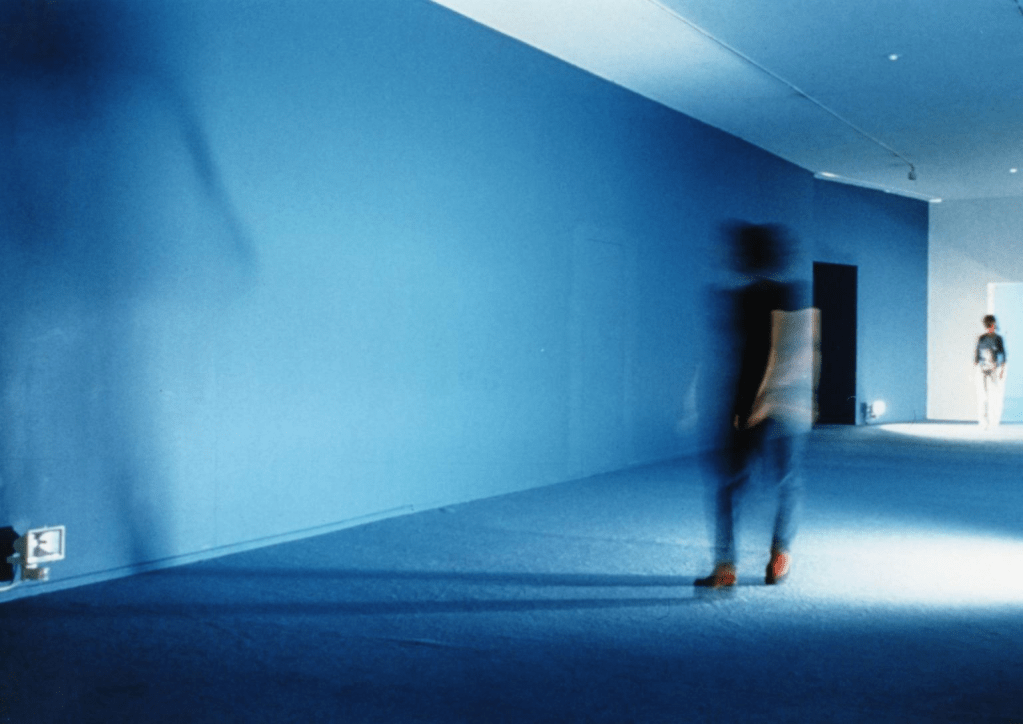
Séance de Shadow II (bleu) – (1998)

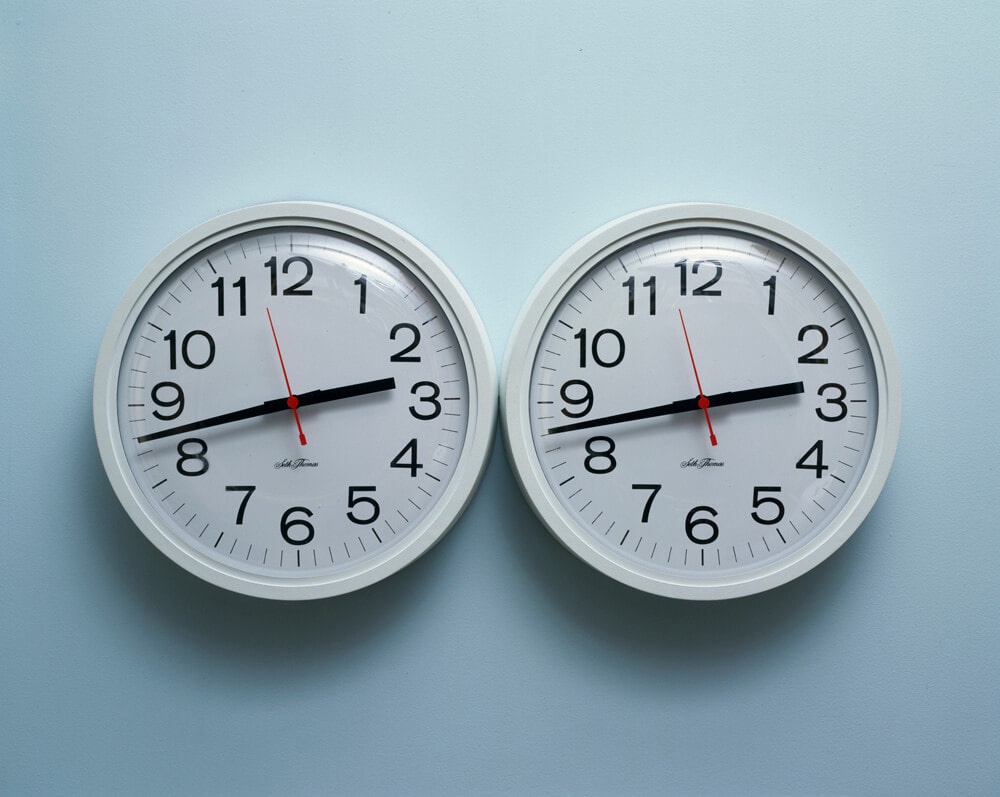
Felix Gonzalez – Torres – (Untitled) Perfect Lovers (1991)

Photo from website – link below

https://www.tripimprover.com/blog/untitled-perfect-lovers-by-felix-gonzalez-torres

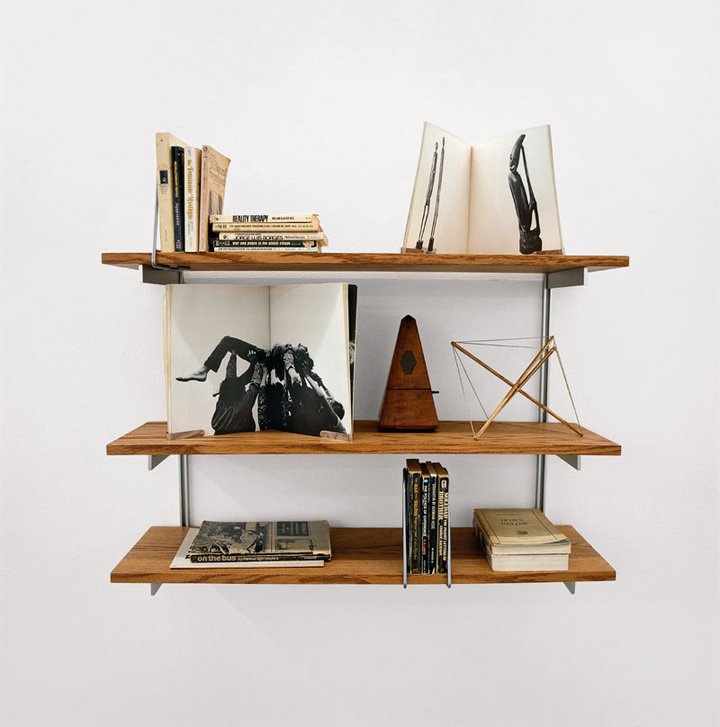
Carol Bove – Conversations with Luis Borges (2002)

From Tate Website

Student Drawing Session – Jo Hartle

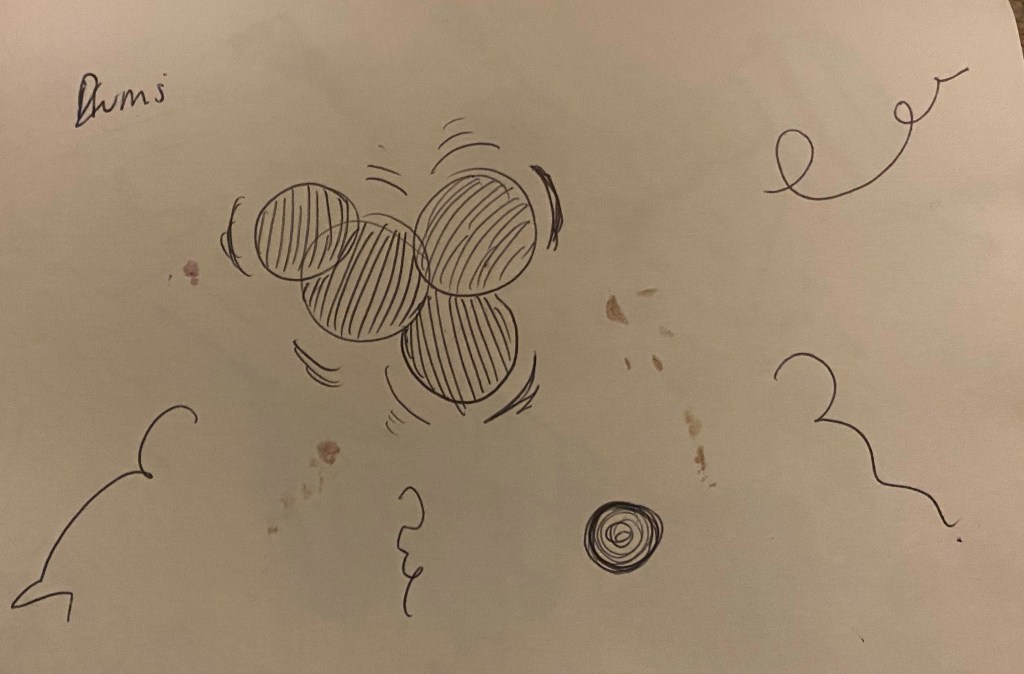
Firstly we listened to the song below with a partner and our eyes had to be shut. We had to listen to the 6 minute piece while creating a response in our sketch books at the same time.

While listening and with partner.

I had covered my eyes with my beanie, causing the sun light to appear in circles. This to me was familiar to the intense drum section in the song.

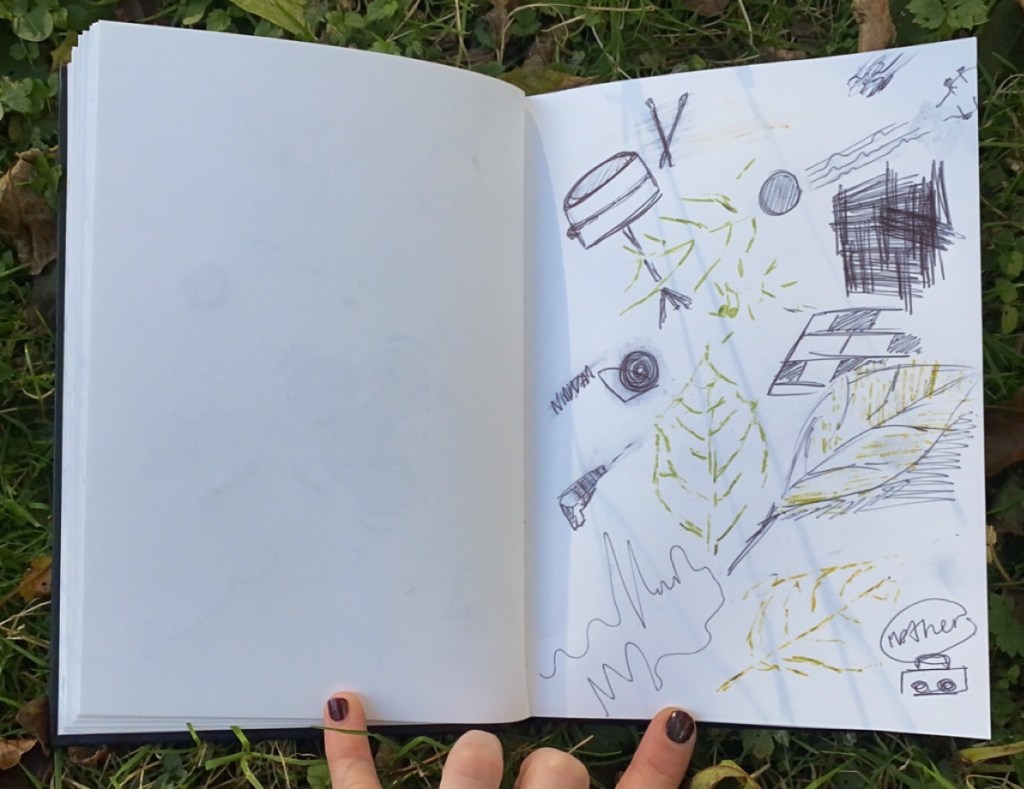
Listening Individually – Eyes Open

The next part of the task was to listen to the piece in a quiet area by ourselves. It helped that we were based in the forest because it allowed space for all students to relax individually.

In this task we had to listen to the full piece of music before creating a response in our sketchbooks.

Listening to the piece first

During this drawing I discovered drawing on the top of leaves, while pressed on paper, creates a unique imprint of the leaves shape.

Other drawings are responses from the sounds heard while listening to the piece and having time to reflect on them.